

18+

پروژه داده
This election study survey is based upon questions asked in the Canadian Election Study, but tailored for the Nova Scotia context. It was conducted by the Consortium on Electoral Democracy (C-Dem).

پروژه داده
This election study survey is based upon questions asked in the Canadian Election Study, but tailored for the Newfoundland and Labrador context. It was conducted by the Consortium on Electoral Democracy (C-Dem).

The study commissioned by Transparency International Georgia, intended to gauge citizens' awareness regarding various issue
The study commissioned by Transparency International Georgia, intended to gauge citizens' awareness regarding various issues.
پروژه داده
NPORS is an annual, cross-sectional survey of U.S. adults. Respondents can answer by paper, online or over the phone, and they are selected using address-based sampling from the United States Postal Service’s Computerized Delivery Sequence File. The response rate to the latest NPORS was 32%, and previous years’ surveys were designed with a similarly rigorous approach.
پروژه داده
NPORS is an annual, cross-sectional survey of U.S. adults. Respondents can answer by paper, online or over the phone, and they are selected using address-based sampling from the United States Postal Service’s Computerized Delivery Sequence File. The response rate to the latest NPORS was 32%, and previous years’ surveys were designed with a similarly rigorous approach.

The Australian Government and the state and territory governments provided the funding for the Australian component of PISA 2015. All of Australia’s share of the international overheads and half of the basic funding for PISA within Australia was contributed by the Australian Government Department of Education and Training, while each state and territory government education department provided funding in proportion to the numbers of 15-year-old students enrolled in their schools. In Australia, PISA is guided by the International Assessments Joint National Advisory Committee (IAJNAC). ACER wishes to thank the IAJNAC members for their interest and commitment throughout every phase of the project. Their involvement included reviewing the frameworks and assessment items, assisting with the implementation of PISA in schools from their state or territory, and providing valuable information to ensure the success of PISA 2015 in Australia. The undertaking of PISA 2015 was a collaborative effort. A national assessment such as PISA could not be successful without the cooperation of school systems, principals, teachers, students and parents. A high participation rate of the randomly selected schools and students is essential for obtaining high-quality data. It is thanks to this level of cooperation that Australia was able to fully satisfy the internationally set response criteria for PISA 2015. ACER gratefully acknowledges the assistance of education system officials Australia-wide, and the principals, teachers and students in the participating schools who so generously gave their time and support to the project.
Malaria remains a substantial global health challenge, causing preventable illnesses and fatalities. In Nepal, the government has ambitiously targeted achieving malaria-free status by 2025. This study aims to assess the impact of women’s roles on health-seeking behavior during suspected malaria fever in the high-risk area of Kanchanpur district, Nepal. This is a cross-sectional analytical design with a mixed-method approach, the research focused on Kanchanpur district, selected from 20 high-risk malaria districts of Nepal. Belauri Municipality within Kanchanpur, identified for its concentration of high and moderate-risk wards, was the specific study area. A random selection process identified 387 households for a comprehensive survey. Face-to-face interviews with household heads were conducted after obtaining written informed consent and ethical approval from the Nepal Health Research Council (March 3, 2023/Ref no.-2041). Data analysis, employing statistical measures such as percentages, frequency, mean, and the Chi-square test, was performed using SPSS version 20. Cultural beliefs regarding women’s use of bed nets during menstruation significantly predicted health-seeking behavior (p-value < 0.05). Those endorsing bed net use during menstruation were nearly twice as likely to choose modern health facilities (COR = 1.975, 95% C.I. = 1.134 to 3.439, p = 0.016). Women’s involvement in malaria treatment decisions strongly correlated with health-seeking behavior (p-value = 0.001). However, women participating in household decisions for suspected malaria treatment were less likely to choose modern health facilities (COR = 0.327, 95% CI = 0.171–0.627, p = 0.001) compared to those without such a role. The study underscores the complex influence of cultural beliefs and women’s decision-making roles on health-seeking behavior. Recognizing and comprehending these factors are vital for crafting effective malaria interventions that align with cultural contexts and consider the nuanced roles of women in health-related decisions.
پروژه داده
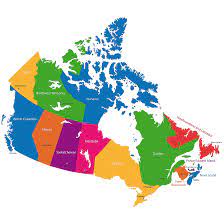
The Provincial Diversity Project is a survey aimed at comparing public opinions realities across provinces on identity and attachment, views about federalism, attitudes toward ethnic diversity and immigration, as well as views on social, economic and political issues.
The survey was carried out by CRRC Georgia within the framework of UN Women project “Teachers Taking Stance on Violence against Women and Domestic Violence in Georgia” generously funded by the Government of Denmark. The content of this survey does not reflect the official opinion of UN Women or the Danish Government. Responsibility for the information and views expressed therein lies entirely with the author(s). Please note that differences displayed in cross-tabulations may not be statistically significant. Numbers may vary from the report due to different statistical analysis processes.