
Canada
94 other
- Standard codes
- ISO α2CA
- ISO α3CAN
- ISO num124
- UN M.49124
- GeoNames6251999
- 37,058,856population60.1087, -113.6426Independent political entity
Description
Alternative names
- Afrikaans
- Kanada
- Akan
- Kanada
- Albanian
- Kanada
- Amharic
- ካናዳ
Subregions

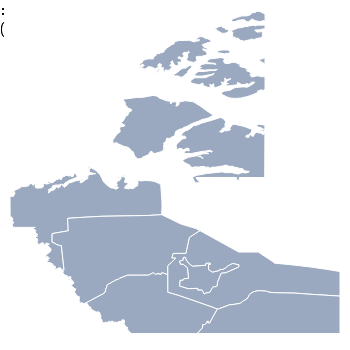
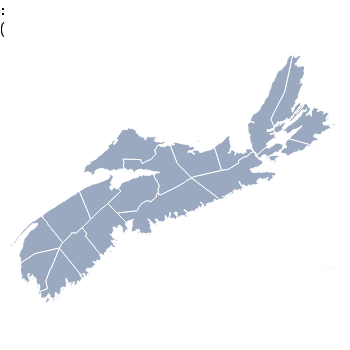
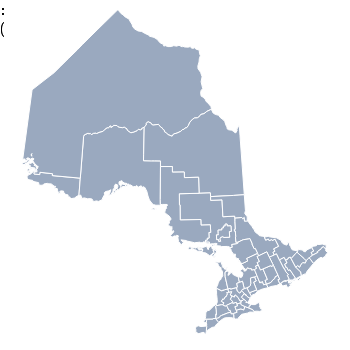
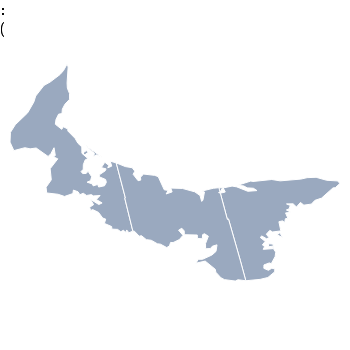
Data project
The World Values Survey (www.worldvaluessurvey.org) is a global network of social scientists studying changing values and their impact on social and political life, led by an international team of scholars, with the WVS association and secretariat headquartered in Stockholm, Sweden. The survey, which started in 1981, seeks to use the most rigorous, high-quality research designs in each country. The WVS consists of nationally representative surveys conducted in almost 100 countries which contain almost 90 percent of the world’s population, using a common questionnaire. The WVS is the largest non-commercial, cross-national, time series investigation of human beliefs and values ever executed, currently including interviews with almost 400,000 respondents. Moreover the WVS is the only academic study covering the full range of global variations, from very poor to very rich countries, in all of the world’s major cultural zones. The WVS seeks to help scientists and policy makers understand changes in the beliefs, values and motivations of people throughout the world. Thousands of political scientists, sociologists, social psychologists, anthropologists and economists have used these data to analyze such topics as economic development, democratization, religion, gender equality, social capital, and subjective well-being. These data have also been widely used by government officials, journalists and students, and groups at the World Bank have analyzed the linkages between cultural factors and economic development.
Data project
The World Values Survey (www.worldvaluessurvey.org) is a global network of social scientists studying changing values and their impact on social and political life, led by an international team of scholars, with the WVS association and secretariat headquartered in Stockholm, Sweden. The survey, which started in 1981, seeks to use the most rigorous, high-quality research designs in each country. The WVS consists of nationally representative surveys conducted in almost 100 countries which contain almost 90 percent of the world’s population, using a common questionnaire. The WVS is the largest non-commercial, cross-national, time series investigation of human beliefs and values ever executed, currently including interviews with almost 400,000 respondents. Moreover the WVS is the only academic study covering the full range of global variations, from very poor to very rich countries, in all of the world’s major cultural zones. The WVS seeks to help scientists and policy makers understand changes in the beliefs, values and motivations of people throughout the world. Thousands of political scientists, sociologists, social psychologists, anthropologists and economists have used these data to analyze such topics as economic development, democratization, religion, gender equality, social capital, and subjective well-being. These data have also been widely used by government officials, journalists and students, and groups at the World Bank have analyzed the linkages between cultural factors and economic development.
Data project
The World Values Survey is a global network of social scientists studying changing values and their impact on social and political life, led by an international team of scholars, with the WVS association and secretariat headquartered in Stockholm, Sweden. The survey, which started in 1981, seeks to use the most rigorous, high-quality research designs in each country. The WVS consists of nationally representative surveys conducted in almost 100 countries which contain almost 90 percent of the world’s population, using a common questionnaire. The WVS is the largest non-commercial, cross-national, time series investigation of human beliefs and values ever executed, currently including interviews with almost 400,000 respondents. Moreover the WVS is the only academic study covering the full range of global variations, from very poor to very rich countries, in all of the world’s major cultural zones. The WVS seeks to help scientists and policy makers understand changes in the beliefs, values and motivations of people throughout the world. Thousands of political scientists, sociologists, social psychologists, anthropologists and economists have used these data to analyze such topics as economic development, democratization, religion, gender equality, social capital, and subjective well-being. These data have also been widely used by government officials, journalists and students, and groups at the World Bank have analyzed the linkages between cultural factors and economic development.
Data project
The World Values Survey is a global network of social scientists studying changing values and their impact on social and political life, led by an international team of scholars, with the WVS association and secretariat headquartered in Stockholm, Sweden. The survey, which started in 1981, seeks to use the most rigorous, high-quality research designs in each country. The WVS consists of nationally representative surveys conducted in almost 100 countries which contain almost 90 percent of the world’s population, using a common questionnaire. The WVS is the largest non-commercial, cross-national, time series investigation of human beliefs and values ever executed, currently including interviews with almost 400,000 respondents. Moreover the WVS is the only academic study covering the full range of global variations, from very poor to very rich countries, in all of the world’s major cultural zones. The WVS seeks to help scientists and policy makers understand changes in the beliefs, values and motivations of people throughout the world. Thousands of political scientists, sociologists, social psychologists, anthropologists and economists have used these data to analyze such topics as economic development, democratization, religion, gender equality, social capital, and subjective well-being. These data have also been widely used by government officials, journalists and students, and groups at the World Bank have analyzed the linkages between cultural factors and economic development.
Data project
The World Values Survey is a global network of social scientists studying changing values and their impact on social and political life, led by an international team of scholars, with the WVS association and secretariat headquartered in Stockholm, Sweden. The survey, which started in 1981, seeks to use the most rigorous, high-quality research designs in each country. The WVS consists of nationally representative surveys conducted in almost 100 countries which contain almost 90 percent of the world’s population, using a common questionnaire. The WVS is the largest non-commercial, cross-national, time series investigation of human beliefs and values ever executed, currently including interviews with almost 400,000 respondents. Moreover the WVS is the only academic study covering the full range of global variations, from very poor to very rich countries, in all of the world’s major cultural zones. The WVS seeks to help scientists and policy makers understand changes in the beliefs, values and motivations of people throughout the world. Thousands of political scientists, sociologists, social psychologists, anthropologists and economists have used these data to analyze such topics as economic development, democratization, religion, gender equality, social capital, and subjective well-being. These data have also been widely used by government officials, journalists and students, and groups at the World Bank have analyzed the linkages between cultural factors and economic development.

Survey question

Survey question
Survey question
.jpg&w=96&q=75)
Survey question