
United States
57 provinces · 169 other
- Standards codes
- ISO α2US
- ISO α3USA
- ISO num840
- UN M.49840
- GeoNames6252001
- 327,167,434population39.7600, -98.5000Independent political entity
Description
Alternative names
- abbr
- U.S., U.S.A., US, USA
- Afar
- United States
- Afrikaans
- VSA
- Akan
- Amɛrika
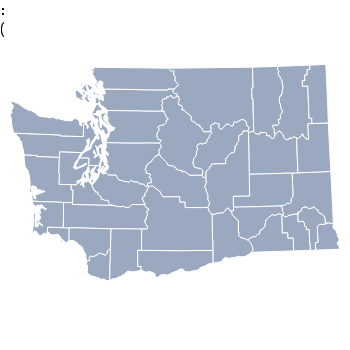
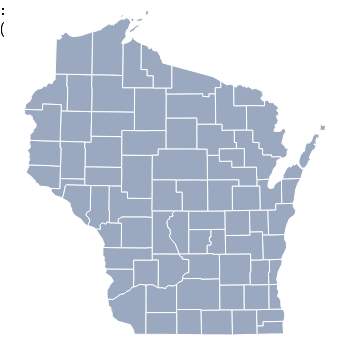
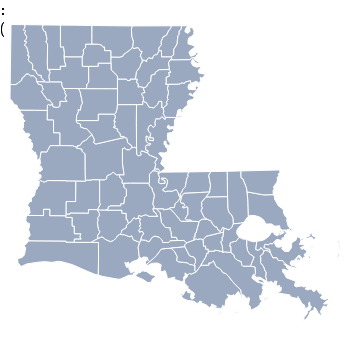
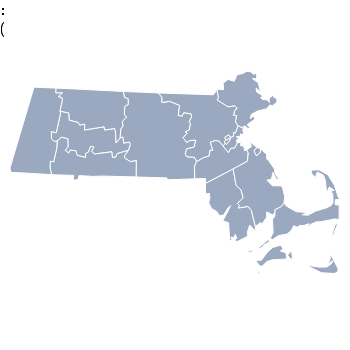
Subregions

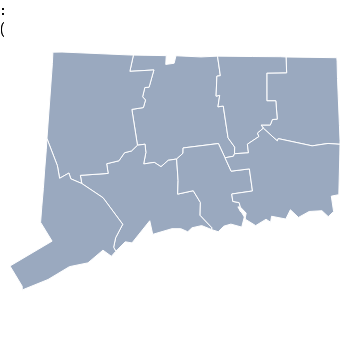

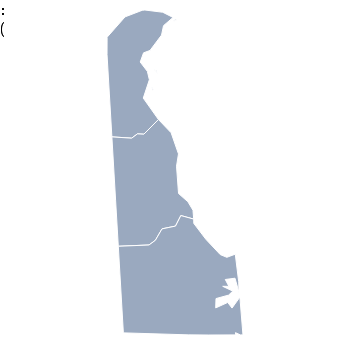
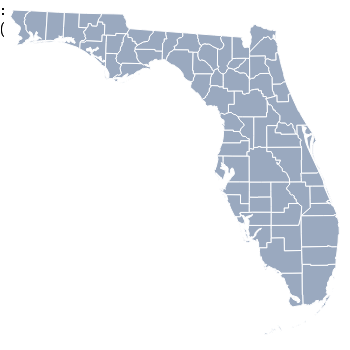
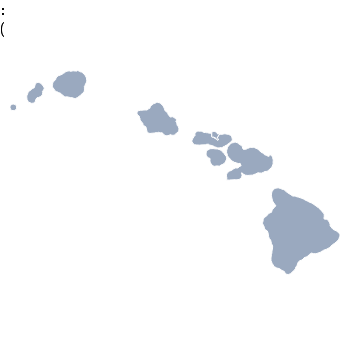
Data project
The CPS is the U.S. Government's monthly survey of unemployment and labor force participation. The BLS maintains a CPS Home Page with a great deal of information about the survey and the Census Bureau provides access to downloads of recent data. The CPS basic monthly files contain information on labor force status but do not contain the full income and demographic data contained in the March supplements, nor do they contain usual hours or wages except for the households in the outgoing rotation group. A housing unit in the CPS is interviewed for four consecutive months and then dropped out of the sample for the next eight months and is brought back in the following four months. So, in any given month, one-eighth of the housing units are interviewed for the first month. When the system has been in operation for a full year, four of the eight rotation groups for any month will have been in the survey for the same month, one year ago. Matching information and Stata .do files from NBER Working Paper T0247 by B. Madrian and L. J. Lefgren are available for March-to-March Annual Demographic File matches but can be modified for use in matching CPS Basic Monthly Data. Census Technical Paper such as 66 and 63 contains more information about Design and Methodology.
Data project
The CPS is the U.S. Government's monthly survey of unemployment and labor force participation. The BLS maintains a CPS Home Page with a great deal of information about the survey and the Census Bureau provides access to downloads of recent data. The CPS basic monthly files contain information on labor force status but do not contain the full income and demographic data contained in the March supplements, nor do they contain usual hours or wages except for the households in the outgoing rotation group. A housing unit in the CPS is interviewed for four consecutive months and then dropped out of the sample for the next eight months and is brought back in the following four months. So, in any given month, one-eighth of the housing units are interviewed for the first month. When the system has been in operation for a full year, four of the eight rotation groups for any month will have been in the survey for the same month, one year ago. Matching information and Stata .do files from NBER Working Paper T0247 by B. Madrian and L. J. Lefgren are available for March-to-March Annual Demographic File matches but can be modified for use in matching CPS Basic Monthly Data. Census Technical Paper such as 66 and 63 contains more information about Design and Methodology.
Data project
The CPS is the U.S. Government's monthly survey of unemployment and labor force participation. The BLS maintains a CPS Home Page with a great deal of information about the survey and the Census Bureau provides access to downloads of recent data. The CPS basic monthly files contain information on labor force status but do not contain the full income and demographic data contained in the March supplements, nor do they contain usual hours or wages except for the households in the outgoing rotation group. A housing unit in the CPS is interviewed for four consecutive months and then dropped out of the sample for the next eight months and is brought back in the following four months. So, in any given month, one-eighth of the housing units are interviewed for the first month. When the system has been in operation for a full year, four of the eight rotation groups for any month will have been in the survey for the same month, one year ago. Matching information and Stata .do files from NBER Working Paper T0247 by B. Madrian and L. J. Lefgren are available for March-to-March Annual Demographic File matches but can be modified for use in matching CPS Basic Monthly Data. Census Technical Paper such as 66 and 63 contains more information about Design and Methodology.
Data project
The CPS is the U.S. Government's monthly survey of unemployment and labor force participation. The BLS maintains a CPS Home Page with a great deal of information about the survey and the Census Bureau provides access to downloads of recent data. The CPS basic monthly files contain information on labor force status but do not contain the full income and demographic data contained in the March supplements, nor do they contain usual hours or wages except for the households in the outgoing rotation group. A housing unit in the CPS is interviewed for four consecutive months and then dropped out of the sample for the next eight months and is brought back in the following four months. So, in any given month, one-eighth of the housing units are interviewed for the first month. When the system has been in operation for a full year, four of the eight rotation groups for any month will have been in the survey for the same month, one year ago. Matching information and Stata .do files from NBER Working Paper T0247 by B. Madrian and L. J. Lefgren are available for March-to-March Annual Demographic File matches but can be modified for use in matching CPS Basic Monthly Data. Census Technical Paper such as 66 and 63 contains more information about Design and Methodology.
Data project
The CPS is the U.S. Government's monthly survey of unemployment and labor force participation. The BLS maintains a CPS Home Page with a great deal of information about the survey and the Census Bureau provides access to downloads of recent data. The CPS basic monthly files contain information on labor force status but do not contain the full income and demographic data contained in the March supplements, nor do they contain usual hours or wages except for the households in the outgoing rotation group. A housing unit in the CPS is interviewed for four consecutive months and then dropped out of the sample for the next eight months and is brought back in the following four months. So, in any given month, one-eighth of the housing units are interviewed for the first month. When the system has been in operation for a full year, four of the eight rotation groups for any month will have been in the survey for the same month, one year ago. Matching information and Stata .do files from NBER Working Paper T0247 by B. Madrian and L. J. Lefgren are available for March-to-March Annual Demographic File matches but can be modified for use in matching CPS Basic Monthly Data. Census Technical Paper such as 66 and 63 contains more information about Design and Methodology.
Data project
The CPS is the U.S. Government's monthly survey of unemployment and labor force participation. The BLS maintains a CPS Home Page with a great deal of information about the survey and the Census Bureau provides access to downloads of recent data. The CPS basic monthly files contain information on labor force status but do not contain the full income and demographic data contained in the March supplements, nor do they contain usual hours or wages except for the households in the outgoing rotation group. A housing unit in the CPS is interviewed for four consecutive months and then dropped out of the sample for the next eight months and is brought back in the following four months. So, in any given month, one-eighth of the housing units are interviewed for the first month. When the system has been in operation for a full year, four of the eight rotation groups for any month will have been in the survey for the same month, one year ago. Matching information and Stata .do files from NBER Working Paper T0247 by B. Madrian and L. J. Lefgren are available for March-to-March Annual Demographic File matches but can be modified for use in matching CPS Basic Monthly Data. Census Technical Paper such as 66 and 63 contains more information about Design and Methodology.
Data project
The CPS is the U.S. Government's monthly survey of unemployment and labor force participation. The BLS maintains a CPS Home Page with a great deal of information about the survey and the Census Bureau provides access to downloads of recent data. The CPS basic monthly files contain information on labor force status but do not contain the full income and demographic data contained in the March supplements, nor do they contain usual hours or wages except for the households in the outgoing rotation group. A housing unit in the CPS is interviewed for four consecutive months and then dropped out of the sample for the next eight months and is brought back in the following four months. So, in any given month, one-eighth of the housing units are interviewed for the first month. When the system has been in operation for a full year, four of the eight rotation groups for any month will have been in the survey for the same month, one year ago. Matching information and Stata .do files from NBER Working Paper T0247 by B. Madrian and L. J. Lefgren are available for March-to-March Annual Demographic File matches but can be modified for use in matching CPS Basic Monthly Data. Census Technical Paper such as 66 and 63 contains more information about Design and Methodology.
Data project
The CPS is the U.S. Government's monthly survey of unemployment and labor force participation. The BLS maintains a CPS Home Page with a great deal of information about the survey and the Census Bureau provides access to downloads of recent data. The CPS basic monthly files contain information on labor force status but do not contain the full income and demographic data contained in the March supplements, nor do they contain usual hours or wages except for the households in the outgoing rotation group. A housing unit in the CPS is interviewed for four consecutive months and then dropped out of the sample for the next eight months and is brought back in the following four months. So, in any given month, one-eighth of the housing units are interviewed for the first month. When the system has been in operation for a full year, four of the eight rotation groups for any month will have been in the survey for the same month, one year ago. Matching information and Stata .do files from NBER Working Paper T0247 by B. Madrian and L. J. Lefgren are available for March-to-March Annual Demographic File matches but can be modified for use in matching CPS Basic Monthly Data. Census Technical Paper such as 66 and 63 contains more information about Design and Methodology.
Data project
The CPS is the U.S. Government's monthly survey of unemployment and labor force participation. The BLS maintains a CPS Home Page with a great deal of information about the survey and the Census Bureau provides access to downloads of recent data. The CPS basic monthly files contain information on labor force status but do not contain the full income and demographic data contained in the March supplements, nor do they contain usual hours or wages except for the households in the outgoing rotation group. A housing unit in the CPS is interviewed for four consecutive months and then dropped out of the sample for the next eight months and is brought back in the following four months. So, in any given month, one-eighth of the housing units are interviewed for the first month. When the system has been in operation for a full year, four of the eight rotation groups for any month will have been in the survey for the same month, one year ago. Matching information and Stata .do files from NBER Working Paper T0247 by B. Madrian and L. J. Lefgren are available for March-to-March Annual Demographic File matches but can be modified for use in matching CPS Basic Monthly Data. Census Technical Paper such as 66 and 63 contains more information about Design and Methodology.
Data project
The CPS is the U.S. Government's monthly survey of unemployment and labor force participation. The BLS maintains a CPS Home Page with a great deal of information about the survey and the Census Bureau provides access to downloads of recent data. The CPS basic monthly files contain information on labor force status but do not contain the full income and demographic data contained in the March supplements, nor do they contain usual hours or wages except for the households in the outgoing rotation group. A housing unit in the CPS is interviewed for four consecutive months and then dropped out of the sample for the next eight months and is brought back in the following four months. So, in any given month, one-eighth of the housing units are interviewed for the first month. When the system has been in operation for a full year, four of the eight rotation groups for any month will have been in the survey for the same month, one year ago. Matching information and Stata .do files from NBER Working Paper T0247 by B. Madrian and L. J. Lefgren are available for March-to-March Annual Demographic File matches but can be modified for use in matching CPS Basic Monthly Data. Census Technical Paper such as 66 and 63 contains more information about Design and Methodology.