
United States
57 provinces · 169 other
- Standards codes
- ISO α2US
- ISO α3USA
- ISO num840
- UN M.49840
- GeoNames6252001
- 327,167,434population39.7600, -98.5000Independent political entity
Description
Alternative names
- abbr
- U.S., U.S.A., US, USA
- Afar
- United States
- Afrikaans
- VSA
- Akan
- Amɛrika
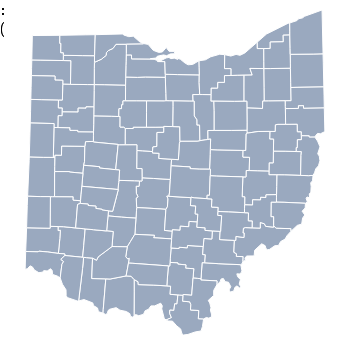
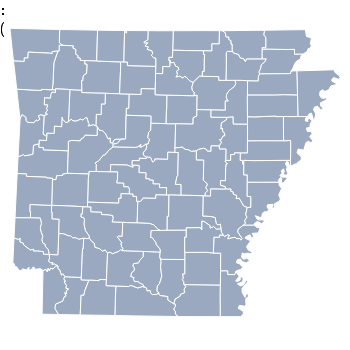
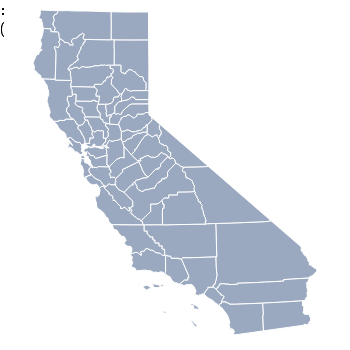
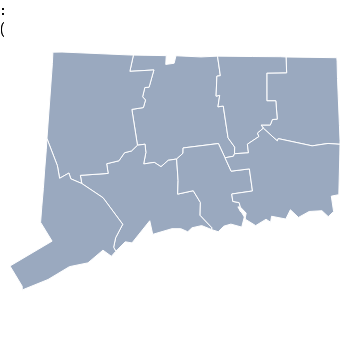
Subregions
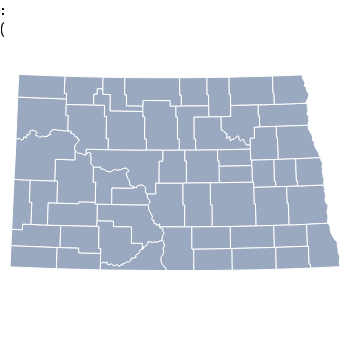
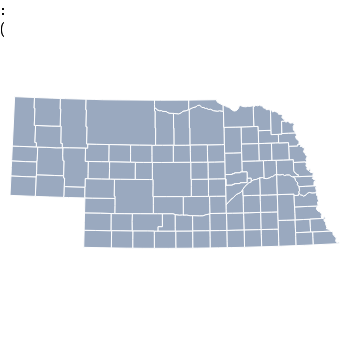
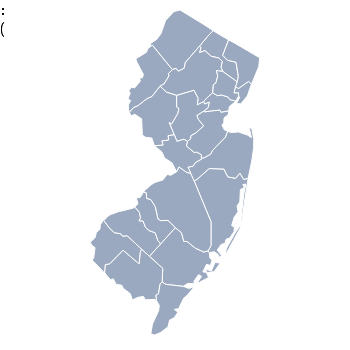
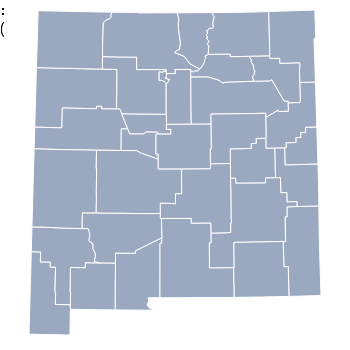




Data project
The Labour Force Survey (LFS) is a monthly survey of Canadian households carried out by Statistics Canada. It was developed after the Second World War to satisfy a need for reliable and timely data on the labour market due to the massive labour market changes involved in the transition from a war to peace-time economy. The objectives of the LFS have been to divide the working-age population into three mutually exclusive labour force status categories (employed, unemployed, and not in the labour force) and to provide descriptive and explanatory data on each of these groups. With the release of the survey results only 10 days after the completion of data collection, the LFS estimates are the first of the major monthly economic data series to be released. The LFS is the source of Canada's official unemployment rates, including the rates used by Employment and Social Development Canada in the calculation of Employment Insurance (EI) eligibility and benefit criteria. Data from the survey also provide information on major labour market trends, such as shifts in employment across industrial sectors, hours worked and labour force participation. The LFS also provides employment estimates by industry, occupation, public and private sector, hours worked and much more, all cross-classifiable by a variety of demographic characteristics. Estimates are produced for Canada, the provinces, the territories and a large number of sub-provincial regions. For employees, data on wage rates, union status, job permanency and establishment size are also produced.

Data project
The Labour Force Survey (LFS) is a monthly survey of Canadian households carried out by Statistics Canada. It was developed after the Second World War to satisfy a need for reliable and timely data on the labour market due to the massive labour market changes involved in the transition from a war to peace-time economy. The objectives of the LFS have been to divide the working-age population into three mutually exclusive labour force status categories (employed, unemployed, and not in the labour force) and to provide descriptive and explanatory data on each of these groups. With the release of the survey results only 10 days after the completion of data collection, the LFS estimates are the first of the major monthly economic data series to be released. The LFS is the source of Canada's official unemployment rates, including the rates used by Employment and Social Development Canada in the calculation of Employment Insurance (EI) eligibility and benefit criteria. Data from the survey also provide information on major labour market trends, such as shifts in employment across industrial sectors, hours worked and labour force participation. The LFS also provides employment estimates by industry, occupation, public and private sector, hours worked and much more, all cross-classifiable by a variety of demographic characteristics. Estimates are produced for Canada, the provinces, the territories and a large number of sub-provincial regions. For employees, data on wage rates, union status, job permanency and establishment size are also produced.

Data project
The Labour Force Survey (LFS) is a monthly survey of Canadian households carried out by Statistics Canada. It was developed after the Second World War to satisfy a need for reliable and timely data on the labour market due to the massive labour market changes involved in the transition from a war to peace-time economy. The objectives of the LFS have been to divide the working-age population into three mutually exclusive labour force status categories (employed, unemployed, and not in the labour force) and to provide descriptive and explanatory data on each of these groups. With the release of the survey results only 10 days after the completion of data collection, the LFS estimates are the first of the major monthly economic data series to be released. The LFS is the source of Canada's official unemployment rates, including the rates used by Employment and Social Development Canada in the calculation of Employment Insurance (EI) eligibility and benefit criteria. Data from the survey also provide information on major labour market trends, such as shifts in employment across industrial sectors, hours worked and labour force participation. The LFS also provides employment estimates by industry, occupation, public and private sector, hours worked and much more, all cross-classifiable by a variety of demographic characteristics. Estimates are produced for Canada, the provinces, the territories and a large number of sub-provincial regions. For employees, data on wage rates, union status, job permanency and establishment size are also produced.

Data project
The Labour Force Survey (LFS) is a monthly survey of Canadian households carried out by Statistics Canada. It was developed after the Second World War to satisfy a need for reliable and timely data on the labour market due to the massive labour market changes involved in the transition from a war to peace-time economy. The objectives of the LFS have been to divide the working-age population into three mutually exclusive labour force status categories (employed, unemployed, and not in the labour force) and to provide descriptive and explanatory data on each of these groups. With the release of the survey results only 10 days after the completion of data collection, the LFS estimates are the first of the major monthly economic data series to be released. The LFS is the source of Canada's official unemployment rates, including the rates used by Employment and Social Development Canada in the calculation of Employment Insurance (EI) eligibility and benefit criteria. Data from the survey also provide information on major labour market trends, such as shifts in employment across industrial sectors, hours worked and labour force participation. The LFS also provides employment estimates by industry, occupation, public and private sector, hours worked and much more, all cross-classifiable by a variety of demographic characteristics. Estimates are produced for Canada, the provinces, the territories and a large number of sub-provincial regions. For employees, data on wage rates, union status, job permanency and establishment size are also produced.

Data project
The Labour Force Survey (LFS) is a monthly survey of Canadian households carried out by Statistics Canada. It was developed after the Second World War to satisfy a need for reliable and timely data on the labour market due to the massive labour market changes involved in the transition from a war to peace-time economy. The objectives of the LFS have been to divide the working-age population into three mutually exclusive labour force status categories (employed, unemployed, and not in the labour force) and to provide descriptive and explanatory data on each of these groups. With the release of the survey results only 10 days after the completion of data collection, the LFS estimates are the first of the major monthly economic data series to be released. The LFS is the source of Canada's official unemployment rates, including the rates used by Employment and Social Development Canada in the calculation of Employment Insurance (EI) eligibility and benefit criteria. Data from the survey also provide information on major labour market trends, such as shifts in employment across industrial sectors, hours worked and labour force participation. The LFS also provides employment estimates by industry, occupation, public and private sector, hours worked and much more, all cross-classifiable by a variety of demographic characteristics. Estimates are produced for Canada, the provinces, the territories and a large number of sub-provincial regions. For employees, data on wage rates, union status, job permanency and establishment size are also produced.

Data project
The Labour Force Survey (LFS) is a monthly survey of Canadian households carried out by Statistics Canada. It was developed after the Second World War to satisfy a need for reliable and timely data on the labour market due to the massive labour market changes involved in the transition from a war to peace-time economy. The objectives of the LFS have been to divide the working-age population into three mutually exclusive labour force status categories (employed, unemployed, and not in the labour force) and to provide descriptive and explanatory data on each of these groups. With the release of the survey results only 10 days after the completion of data collection, the LFS estimates are the first of the major monthly economic data series to be released. The LFS is the source of Canada's official unemployment rates, including the rates used by Employment and Social Development Canada in the calculation of Employment Insurance (EI) eligibility and benefit criteria. Data from the survey also provide information on major labour market trends, such as shifts in employment across industrial sectors, hours worked and labour force participation. The LFS also provides employment estimates by industry, occupation, public and private sector, hours worked and much more, all cross-classifiable by a variety of demographic characteristics. Estimates are produced for Canada, the provinces, the territories and a large number of sub-provincial regions. For employees, data on wage rates, union status, job permanency and establishment size are also produced.

Data project
The Labour Force Survey (LFS) is a monthly survey of Canadian households carried out by Statistics Canada. It was developed after the Second World War to satisfy a need for reliable and timely data on the labour market due to the massive labour market changes involved in the transition from a war to peace-time economy. The objectives of the LFS have been to divide the working-age population into three mutually exclusive labour force status categories (employed, unemployed, and not in the labour force) and to provide descriptive and explanatory data on each of these groups. With the release of the survey results only 10 days after the completion of data collection, the LFS estimates are the first of the major monthly economic data series to be released. The LFS is the source of Canada's official unemployment rates, including the rates used by Employment and Social Development Canada in the calculation of Employment Insurance (EI) eligibility and benefit criteria. Data from the survey also provide information on major labour market trends, such as shifts in employment across industrial sectors, hours worked and labour force participation. The LFS also provides employment estimates by industry, occupation, public and private sector, hours worked and much more, all cross-classifiable by a variety of demographic characteristics. Estimates are produced for Canada, the provinces, the territories and a large number of sub-provincial regions. For employees, data on wage rates, union status, job permanency and establishment size are also produced.

Data project
The Labour Force Survey (LFS) is a monthly survey of Canadian households carried out by Statistics Canada. It was developed after the Second World War to satisfy a need for reliable and timely data on the labour market due to the massive labour market changes involved in the transition from a war to peace-time economy. The objectives of the LFS have been to divide the working-age population into three mutually exclusive labour force status categories (employed, unemployed, and not in the labour force) and to provide descriptive and explanatory data on each of these groups. With the release of the survey results only 10 days after the completion of data collection, the LFS estimates are the first of the major monthly economic data series to be released. The LFS is the source of Canada's official unemployment rates, including the rates used by Employment and Social Development Canada in the calculation of Employment Insurance (EI) eligibility and benefit criteria. Data from the survey also provide information on major labour market trends, such as shifts in employment across industrial sectors, hours worked and labour force participation. The LFS also provides employment estimates by industry, occupation, public and private sector, hours worked and much more, all cross-classifiable by a variety of demographic characteristics. Estimates are produced for Canada, the provinces, the territories and a large number of sub-provincial regions. For employees, data on wage rates, union status, job permanency and establishment size are also produced.

Data project
The Labour Force Survey (LFS) is a monthly survey of Canadian households carried out by Statistics Canada. It was developed after the Second World War to satisfy a need for reliable and timely data on the labour market due to the massive labour market changes involved in the transition from a war to peace-time economy. The objectives of the LFS have been to divide the working-age population into three mutually exclusive labour force status categories (employed, unemployed, and not in the labour force) and to provide descriptive and explanatory data on each of these groups. With the release of the survey results only 10 days after the completion of data collection, the LFS estimates are the first of the major monthly economic data series to be released. The LFS is the source of Canada's official unemployment rates, including the rates used by Employment and Social Development Canada in the calculation of Employment Insurance (EI) eligibility and benefit criteria. Data from the survey also provide information on major labour market trends, such as shifts in employment across industrial sectors, hours worked and labour force participation. The LFS also provides employment estimates by industry, occupation, public and private sector, hours worked and much more, all cross-classifiable by a variety of demographic characteristics. Estimates are produced for Canada, the provinces, the territories and a large number of sub-provincial regions. For employees, data on wage rates, union status, job permanency and establishment size are also produced.

Data project
The Labour Force Survey (LFS) is a monthly survey of Canadian households carried out by Statistics Canada. It was developed after the Second World War to satisfy a need for reliable and timely data on the labour market due to the massive labour market changes involved in the transition from a war to peace-time economy. The objectives of the LFS have been to divide the working-age population into three mutually exclusive labour force status categories (employed, unemployed, and not in the labour force) and to provide descriptive and explanatory data on each of these groups. With the release of the survey results only 10 days after the completion of data collection, the LFS estimates are the first of the major monthly economic data series to be released. The LFS is the source of Canada's official unemployment rates, including the rates used by Employment and Social Development Canada in the calculation of Employment Insurance (EI) eligibility and benefit criteria. Data from the survey also provide information on major labour market trends, such as shifts in employment across industrial sectors, hours worked and labour force participation. The LFS also provides employment estimates by industry, occupation, public and private sector, hours worked and much more, all cross-classifiable by a variety of demographic characteristics. Estimates are produced for Canada, the provinces, the territories and a large number of sub-provincial regions. For employees, data on wage rates, union status, job permanency and establishment size are also produced.